Lawmakers Probe Eli Lilly's China Clinical Trials Amid National Security and Human Rights Concerns
A congressional committee is investigating the pharmaceutical giant's research collaborations in China, particularly those linked to military hospitals and facilities in Xinjiang.
Politics·
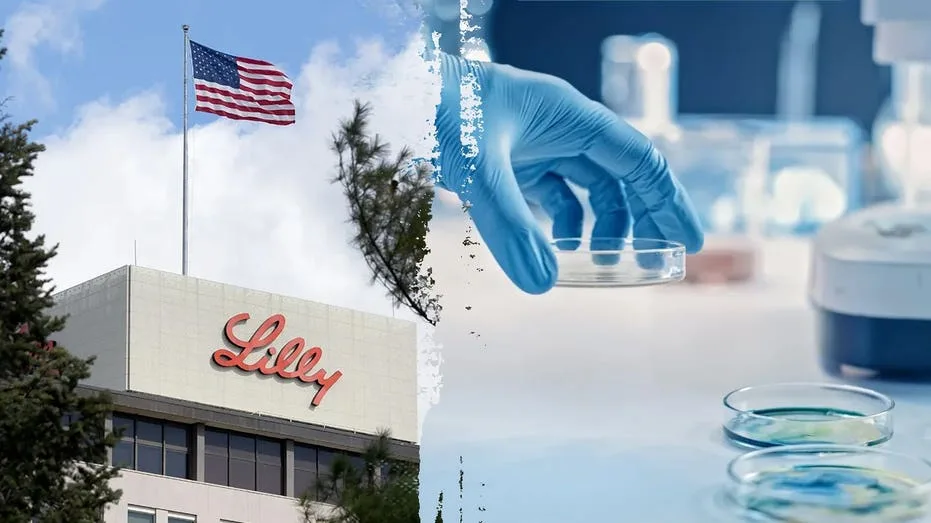
The House Select Committee on the Chinese Communist Party has initiated an investigation into pharmaceutical firm Eli Lilly's clinical trial operations within China. Chairman John Moolenaar is seeking detailed records pertaining to research conducted at facilities connected to the Chinese military and in the Xinjiang region.
According to committee statements, publicly available information indicates that Eli Lilly has sponsored or collaborated on over 220 clinical studies in China since 2003. This includes at least 11 trials located in Xinjiang and a minimum of 16 involving Chinese military medical centers, with several of these studies reportedly still active.
This inquiry marks an escalation in congressional oversight regarding American pharmaceutical companies' expanding relationships with China. Lawmakers have expressed concerns that clinical research undertaken at Chinese military-affiliated hospitals and in Xinjiang could present substantial risks to national security, intellectual property, and human rights. The committee's request for documents coincides with Eli Lilly's increasing investments and research partnerships in the country.
Congressional Scrutiny and National Security Concerns
Chairman Moolenaar clarified that the committee possesses no evidence suggesting Eli Lilly has engaged in illicit activities or misconduct. However, he contended that conducting clinical trials in China, particularly in Xinjiang and at hospitals associated with China's People's Liberation Army (PLA), could potentially allow the Chinese government to access valuable biotechnology research and clinical trial data generated through collaborations with U.S. companies.
Moolenaar emphasized the intense biotechnology competition currently underway between the United States and the People's Republic of China, describing biotechnology as a critical strategic domain with significant implications for national security, economic competitiveness, and the safeguarding of Americans' medical data.
He referenced China's most recent five-year plan, which designates biotechnology as a national priority and advocates for the expanded integration of artificial intelligence across the sector. Moolenaar noted that China has transformed into one of the world's most rapid and cost-effective locations for conducting early-stage human drug trials. This transformation is attributed to regulatory reforms, state subsidies, and swift patient enrollment. The committee argued that while this speed makes China increasingly appealing for global drug development, it also raises serious questions regarding ethics, data security, and intellectual property protection.
Lilly's Expanding Presence in China
The committee's investigation unfolds as Eli Lilly continues to broaden its footprint in China. Earlier in 2026, the company announced a significant investment of approximately $3 billion to enhance manufacturing capabilities and local supply chains within the country, bringing its total investment in China to nearly $6 billion.
Eli Lilly has also strengthened its research collaborations with Chinese biotechnology firms. In February, the company unveiled an oncology and immunology partnership with Innovent Biologics, potentially valued at up to $8.8 billion. This was followed by an agreement worth up to approximately $3 billion with Haisco Pharmaceutical Group earlier in June. Moolenaar's letter specifically cited both partnerships as illustrations of Eli Lilly's deepening ties with Chinese drug manufacturers.
Ethical and Human Rights Questions
The chairman also questioned the adequacy of China's clinical trial system in protecting participants' rights. He pointed to existing research indicating that many participants may not fully comprehend the experimental nature of drug studies or might mistakenly believe that treatments have already been proven effective. These findings raise considerable concerns about whether truly informed consent is being obtained from individuals participating in these trials.
Separately, the letter raised alarms about trials conducted in Xinjiang. It referenced reports from the United Nations, the U.S. State Department, and various human rights organizations that have documented allegations of forced medical testing, DNA collection, and other abuses targeting the Uyghur population in the region. Moolenaar argued that these conditions necessitate heightened scrutiny to ensure that clinical trial participants in Xinjiang are volunteering freely and without coercion.
The committee further contended that research performed at hospitals affiliated with the People's Liberation Army poses critical questions about whether sensitive biotechnology research and proprietary data developed through clinical trials could ultimately contribute to China's military biotechnology programs.
Moolenaar has requested that Eli Lilly provide a comprehensive set of documents by July 17. These materials are expected to detail the company's due diligence procedures, inspections of clinical trial sites, agreements with Chinese companies, and the safeguards implemented to protect sensitive data and intellectual property.
Related Stories
California Governor's Mass Death Sentence Commutations Face Strong Opposition from Prosecutors, Victim Advocates
Governor Gavin Newsom's commutation of 548 death sentences to life without parole faces strong opposition. Prosecutors and victim advocates criticize the move for denying victims a voice, disrespecting legal processes,
Nov 25

Man Who Claimed $1 Million Massachusetts Lottery Prize Arrested by Federal Immigration Officers
A man who publicly celebrated winning a $1 million Massachusetts State Lottery prize was arrested by federal immigration officers days later. Authorities had an outstanding deportation order for him since 2014, stemming
Nov 25
Massachusetts Sues Trump Administration Over ICE Courthouse Arrests
Massachusetts is suing the Trump administration to halt civil immigration arrests by ICE agents in state courthouses without judicial warrants. Attorney General Andrea Joy Campbell argues these actions violate the
Nov 24
Presidential Thanksgiving Turkeys Arrive in D.C., Public Votes on Names Before White House Pardon
Two presidential Thanksgiving turkeys have arrived at a luxury D.C. hotel, complete with a red-carpet welcome. Americans are currently voting on their names and which bird will receive the official pardon from President
Nov 23